

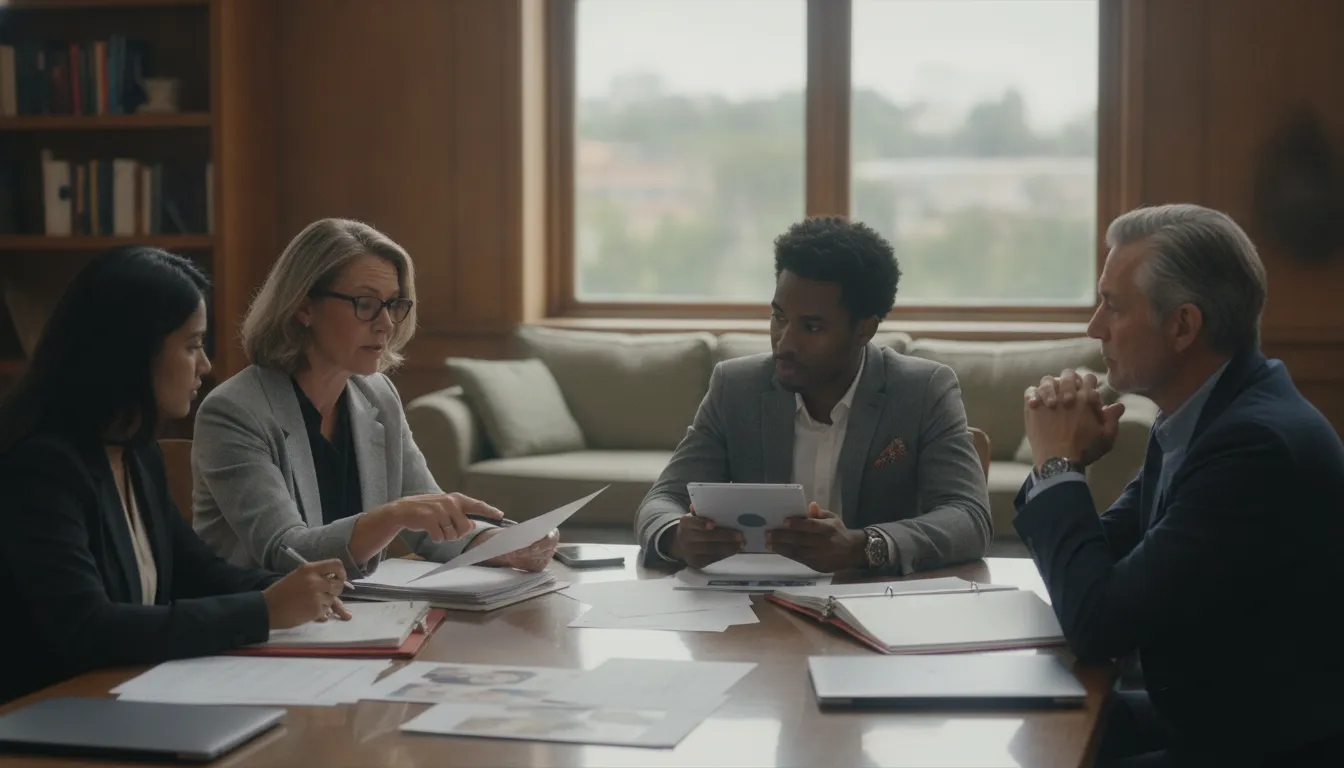
Producers face a growing ethical duty to protect the mental welfare of reality TV contestants. Reality TV psychological screening goes beyond a background check to support participant safety and production stability. Professional clinical oversight helps balance dramatic storytelling with the practical needs of a healthy production setting.
Book Your Session to discuss ethical psychological consultation for your production.
Reality TV psychological screening is a multi-stage clinical process used to check a contestant's mental health and their ability to handle high-stress filming. This work helps production teams find people who can thrive under pressure without suffering harm while also meeting their legal duty of care. According to industry data, these tests use objective tools and clinical interviews to keep the cast stable and prevent harm. This oversight protects the reputation of the show and the health of the people. It lets producers build an engaging cast that remains safe and healthy throughout the entire shoot and beyond.
What reality TV psychological screening is designed to do
Reality TV psychological screening is a full check of a person's mental health. Producers use this tool before a show starts to film. It helps them see if a person is ready for the high stress of life on screen. This work is not just one quick chat. It often involves many rounds of talks and deep background checks. The process can take months to complete. The main goal is to find the right people for the show while keeping risk low. By looking at a person's history, teams can make better choices for everyone.
Finding risk and grit
The first goal is to see how well a person can handle stress. Life in front of a camera is hard and loud. It can lead to big mental health issues for the cast. Experts look for grit and the skill to bounce back when things get tough. They use tools like the Cognitive Adaptability and Resiliency Employment Screener to test these traits.
These tests look at a person's skills in many areas, such as:
- How they solve problems when things change fast.
- Their power to stay calm under bright lights and loud noise.
- How they act when they are away from their friends and family.
- Their skill to handle feedback and critique from others.
This helps teams find people who can cope with the long hours and high drama of a set. It also helps them find those who might need more support to stay well. The goal is to avoid harm before it starts. This keeps the show ethical and keeps the cast safe. By finding risks early, producers can build a team that stays strong through the whole shoot.
Supporting production choices
Screening helps show makers make smart picks for their cast. It gives them a full view of a person's strengths and needs. This is a key part of entertainment-industry psychological consultation. Producers use this data to plan for the needs of the cast while they work. They can set up better care on set or change how they film some scenes.
When a team knows a person's limits, they can act with more care. This helps to ground the show in reality. It moves the focus from cheap drama to real growth and depth. This choice helps the show stay popular for a long time. It also protects the brand of the production company. Ethical casting is good for the business and the people. It creates a space where real stories can be told without hurting the cast.
What screening cannot do
It is vital to know that these tests have limits. No test can guess every choice a person will make in the future. A screening shows a snapshot of how someone is doing at one time. It does not promise that a person will always be safe or happy. It also does not mean they will act a certain way once the cameras roll and the lights are bright.
Instead, screening is a way to lower the odds of harm. It provides a map of risk, not a sure path. Using this data is just one step in providing clinical consultation for film and television. Teams must still watch over the cast every day during filming. Screening starts the work, but it does not end it. Producers must keep check on the cast long after the first test is done.
How an ethical pre-casting assessment works
Ethical reality TV psychological screening is a multi-step path. It aims at safety and care for each person. A boutique practice like The Relationship Clinic uses expert skill to build a fair process. This work helps find cast members who are a good fit for high-stress roles. The goal is to avoid harm while making sure the show is a success. Using The Relationship Clinic entertainment consultation ensures that the cast stays safe from start to finish.
Consent and clear goals
Every safe check starts with informed consent. People need to know why they are being tested. They must know who will see their results and how the facts will be stored. This step is a key part of a trauma-informed plan. It gives the person a sense of control before the deeper work begins. When people feel safe, they can be more open and honest during their talks.
A good expert will explain the risks of the show. They tell the person how the filming might affect their daily life and mood. This talk is not about scaring people. It is about making sure they have all the facts to say yes or no to the job. This helps build a strong bond between the cast member and the clinical team.
Core screening stages
The full check often takes a long time. It can take many weeks to get through all the rounds. The process uses a mix of deep talks and set tests. This helps the team see the person from many angles. It is not just about a single test score. It is about how that person fits into the world of the show.
- Informed consent and intro. The expert meets with the person to go over the goals of the check. They explain how the team will use the facts they find. This builds trust right at the start.
- Clinical interview. This is a deep talk with a mental health expert. They ask about a person's past, their mood, and how they deal with hard times. This helps find any areas where the person might need extra help.
- Set tests. The expert uses tools to measure things like stress and grit. Tools like the CARES test check for resiliency in high-stress roles. These tests give hard data to back up the interview.
- Contextual risk review. The team looks at how the person will act in the specific setting of the show. They think about the plot, the other cast members, and the filming spot. This helps find risks that are unique to that show.
- Expert advice. The final step is a report for the show's producers. It gives clear advice on the person's fit for the show. It also lists the best ways to support that person during and after the shoot.
This path makes sure that no one is put in a spot they cannot handle. By using a clear and fair process, producers can lower the risk of harm or mental health issues. It is a vital tool for any team that wants to make great media in a kind way.
What should producers know about privacy and consent?
Reality TV relies on real human stories. To get these stories, producers must build trust with their cast. This trust starts with privacy and consent. When you set up a reality TV psychological screening, you handle private data. You must protect this data to keep your show safe and fair. It is vital to talk with your team about these rules. This helps you find the right balance between good TV and ethical care.
Creating clear consent paths
Informed consent is more than just a signed form. It is a full talk about what will happen on screen. Cast members must know how their stories might affect their own lives. They need to know each step of the screening before they begin. The screening process for shows often takes a long time. It can include rounds of talks, background checks, and health forms. This time allows people to think about the risks of being on TV.
Producers should work with experts to set clear rules for every stage. You must tell cast members fully how you will use their health data. This helps prevent shocks after the show airs. It also protects the production from legal risks. When people feel safe and informed, they are more likely to be open and real on camera. This leads to deep stories that viewers find strong and true.
Protecting participant privacy
Privacy is a top goal when you deal with mental health history. Producers should only share health data that is truly needed for the job. Not everyone on the crew needs to know every detail of a person's past. Sharing too much info can lead to leaks or harm. You should have a firm plan for how to store and share these files. This plan should follow strict rules for data safety and access.
You can use psychological support for productions to guide your team. These experts can help you set up privacy steps that work for your set. They can review how your crew talks about cast health to avoid slips. Keeping data private is a way to show respect to your cast. It builds a culture of care that cast members will notice and like.
Managing risk and welfare
Shows that exploit people often face public backlash. Rigorous oversight is a must because some media can have bad effects on mental health if not managed well. Producers should avoid using a person's pain just for views. Instead, aim to show depth and growth. This creates a better show that stands out for the right reasons. It also keeps your production team on solid ethical ground.
Using proven screening tools helps you find people who are ready for the stress. These tools help find who has the grit to handle the spotlight. This keeps the set safe for everyone and lowers the chance of a crisis. Producers who put welfare first often see better results in the long term. It also helps you stay in line with industry best practices.
We provide entertainment-industry psychological consultation to help you make these choices. Our team can help you find the line between drama and ethical care. By focusing on privacy and consent, you build a show that is both strong and safe. We invite you to start with a phone talk to see how we can help your next project.

Screening insights versus screening overreach
Ethical screening gives producers relevant, limited insights for planning support. It does not predict every reaction or guarantee a risk-free production.
| Screening can support | Screening cannot guarantee |
|---|---|
| Informed casting and support planning | A participant will never experience distress |
| Identification of relevant support needs | Perfect prediction of on-camera behavior |
| Clear escalation and aftercare plans | Elimination of every production risk |
Reality TV psychological screening helps production teams find the right cast members for a show. This process is not a quick check but a deep look at a person's past and mental health. It often takes months and has many steps. Producers use these checks to see if a person can handle the stress of a filming set. It also helps them find what support a person might need during the long weeks of production.
What screening can tell production teams
A good screening looks at how a person reacts to new or hard events. Experts check for traits like how well someone bounces back from stress. This is often called cognitive adaptability, which is key to staying healthy while on camera. These checks are a main part of the clinical consultation for film and television that help keep shows safe. By looking at these traits, teams can find people who have the skills to manage the unique pressure of a reality set.
The screening process is a months-long journey. It includes many rounds of talks with staff, producers, and doctors. Teams look at background checks and health files to get a full picture of each person. These tools help find if a person has the skills to deal with high pressure. It can show if someone might struggle when they are away from their support network for a long time. Using these tools early helps teams build a cast that is ready for the rigors of the show.
The boundaries of psychological prediction
Even the best tests cannot tell just how a person will act in every case. No screen can promise a cast member will never have a hard time. Production teams should not see these checks as a way to see the future. It is a tool to lower risk, not a way to remove it all. Overreach happens when teams use screening to pick people based on how they might clash. This can lead to the misuse of people, which harms the fairness of the show. We offer The Relationship Clinic entertainment consultation to help handle these complex issues.
Ethical casting focuses on finding people who are ready for the job. It does not look for flaws to use for drama. Just as healthy relationships are built on trust, a safe show is built on clear limits. When teams cross these lines, they risk the health of the cast. A solid plan treats screening as a guide, not a final pass or fail tool. The goal is to build a project that is both strong and safe for everyone involved.
Why ethical limits matter for cast safety
Setting clear limits on how teams use psych data is a key step. When screening is used as a weapon to create drama, the results can be harmful. The risk of mental health issues rises when people feel they are being used. High-quality shows avoid these traps by keeping the screen process apart from the story plan. This protects the cast and keeps the show on solid ground. It also helps keep the trust between the production team and the people on screen.
By keeping the focus on safety, teams can avoid the pitfalls of overreach. This means using the data to help, not to hurt. It also means being honest about what a test can and cannot do. A fair process respects the person behind the screen. This approach leads to better shows and a healthier industry for all. It shows a goal for the long-term well-being of everyone who takes part in the production.
| Criteria | Responsible Screening | Screening Overreach |
|---|---|---|
| Core Goal | Find fit and support needs | Predict exact actions or drama |
| Cast Focus | Check baseline mental health | Dig for trauma to exploit |
| Team View | Part of a larger safety plan | A final way to promise safety |
| Main Benefit | Lowering risk for the cast | Creating flashy story arcs |
How does ethical screening support a production?
Planning for Show Strains
A strong reality TV psychological screening helps a team get ready for the unique needs of their show. Many types of shows, like tough games or dating shows, put deep strains on the cast. Fair screening gives teams a clear map of how each person might handle these pressures. This work is not a quick check.
It often involves many talks and checks to get a full view of each person. By knowing these traits early, the crew can change the shoot to suit the cast. This deep view helps prevent sudden exits that could stop the work. It allows the show to move on with a team that is truly ready for the path ahead.
Creating Clear Support Plans
When teams use fair screening, they can build better support plans for their cast. These plans go past basic safety rules to give a clear path for mental health during the shoot. Screening tools help decrease psychological risk in high-stress roles by testing for grit and heart. Teams can then use this data to set up psychological support for productions.
These services offer the cast a safe place to talk and share their thoughts. This duty-of-care thinking ensures that the show stays fair while still being a win. It shows the cast that their health is a top goal for the team. While these plans do not remove every risk, they provide a strong net for those in need.
Improving Teamwork on Set
Fair screening also leads to better teamwork between the cast and the crew. When people feel that a show cares for their mental health, they are more likely to trust the staff. This trust leads to more honest talk and a smoother filming process. A structured oversight system helps the crew know just how to support the cast in real time.
It also helps teams find the best way to prompt the cast without causing harm. By using clinical skill, the team can avoid bad tropes and focus on true human depth. This spirit of trust makes the set a more stable space for all. It results in a better show that values the people on both sides of the lens.
Book Your Session to build a thoughtful screening, support, and aftercare plan.
Why clinical consultation should continue beyond casting
A reality TV psychological screening often starts with a long series of tests. Producers use these tools to find the right cast and lower risk. But the need for expert advice does not end once the cameras start to roll. Clinical experts help the whole team through every stage of a show.
Supporting story teams and producers
Producers and story teams face hard choices during a shoot. They want drama, but they also must keep people safe. A clinical expert can advise staff on how to handle high-stress moments. This help ensures that scenes stay grounded in real human life. Using entertainment-industry psychological consultation can lead to deeper stories that feel true.
Experts also help staff manage their own stress. Content creators often deal with heavy themes or long hours. Tools like the CARES screener help decrease psychological risk for people in high-stress jobs. When the crew feels supported, the quality of the work often goes up. This balance is key for a smooth and safe show.
Focusing on cast welfare and aftercare
The time after a show airs can be very hard for cast members. Sudden fame and social media comments can hurt their mental health. Experts can build clear aftercare plans to help people move back to their normal lives. Research shows that media literacy can help prevent negative mental health effects from reality media. Providing this care is both kind and smart for the brand.
Specific rules, like the Ofcom Broadcasting Code, set high standards for how to treat people on screen. These codes ensure that welfare is a priority at all times. By following these guides, producers show they care about their cast. This approach builds trust with viewers and future stars.
Reducing risk for the brand
Ongoing advice is also about managing legal risk. Many shows use clinical consultation for film and television to limit insurance issues. When an expert is on hand, the team can spot risks before they become real problems. This step keeps the show on track and protects the company's name.
The Relationship Clinic brings 35 years of clinical skill to every project. We help teams navigate the complex world of human feelings on screen. Our goal is to make sure your show is both safe and a success. You can start with a 20-minute phone call to learn how we can help your next project.
Questions to ask a psychological consultant
Picking the right expert for your show is a key part of risk care. A good expert helps you deal with stress while keeping your work fair. Before you hire a consultant, you should ask a few key questions. This helps you make sure their skills fit what you need.
Checking credentials
Start by asking about their work history and license. You need to know if they are a licensed therapist or counselor. They should have active papers to work in your state. An expert with a lot of time in the field can give better tips on how people act. For example, our team has over 35 years of clinical work. They offer The Relationship Clinic entertainment consultation to help producers keep standards high.
You should also ask how they stay up to date with mental health. A top consultant will use proven ways to check for risk. In high-stress roles, using psychological employment screening tools can help find people who stay strong under pressure. This move helps lower the chance of problems during or after you film. It also shows that your show takes care of its people.
Assessing entertainment context
If your project needs a reality TV psychological screening, the expert must know the genre. Ask if they have a plan for casting and how they find red flags. A good check often takes months and has many rounds of talks. You need to know how they test if a person can handle fame and big stress.
Ask if they work on their own or for the show. It is vital that their clinical choice is not based on "good TV." Their job is to give a fair view of a person's mental health. Ask how they handle cases where a person seems great for the show but is at high risk. A true expert will always put safety before ratings.
- What tools do you use to check for risk?
- How do you handle a person's private info?
- What is your plan for care after the show ends?
Defining scope and privacy
You must also be clear about what they will do. Ask how they will write down what they find and who will see it. Privacy is a big deal in show business. You need to be sure that all private data is kept safe. A clear plan for data storage helps stop leaks and protects everyone. This keeps the studio and the cast safe.
Finally, ask about their plan for crisis care. If a person has a mental health issue during the show, you need a way to get help fast. Ask how they work with local clinics or online doctors for quick care. We provide psychological support for productions to ensure all people have what they need. Setting these paths early helps keep your set safe.
Frequently Asked Questions
Can reality TV cast members see their psychological screening results?
In most cases, cast members do not get to see the full results of their reality TV psychological screening. These records are often owned by the show or the network to keep the process fair. Still, ethical experts make sure that any urgent risks found are shared with the person for their own safety. Based on the Ofcom Broadcasting Code, set rules for data help protect everyone on a show. This keeps the work clear and helps build trust with the cast.
How long does the reality TV screening process take?
The full path to join a reality show often takes many months. Based on Psychology Today, it includes many talks, deep background checks, and health reviews. This long time helps ensure each person can handle the high stress of filming. It gives the show team and clinical experts a chance to see how a person deals with pressure over a long period. This slow pace is a key part of keeping the cast safe and the show stable.
What are the ethical concerns with reality TV casting?
One big worry is that shows might use vulnerable people just to get more views. If screening is not done right, it can lead to deep harm or even a crisis for the cast. The Association of Clinical Psychologists says that reality media can have a strong impact on mental health. Producers must use clinical experts to make sure that the search for drama does not cause real pain. Using ethical checks helps balance good TV with safe care.
Ready to protect your reality TV production?
Teams that skip early checks on well-being often face big risks once the show starts. High stress on the set can lead to court cases that hurt your brand and your crew. You might find that your stars are not ready for the heat of the spotlight. Starting this work now helps you find and fix these spots before they turn into large messes. Our team has skill in entertainment-industry psychological consultation. This step helps you save time and money by making sure your cast is strong from the start. Taking action today means you can focus on the story instead of the mess. We can help you build a space where ethics and safety come first. Do not wait for a problem to arise on set. Book a call now. Get the help you need to keep your show on track and your cast safe for the long haul.
Ready to book? Book Your Session to get a free 20-minute phone consultation.





